
Kirti Vardhan Das
Kirti Vardhan Das
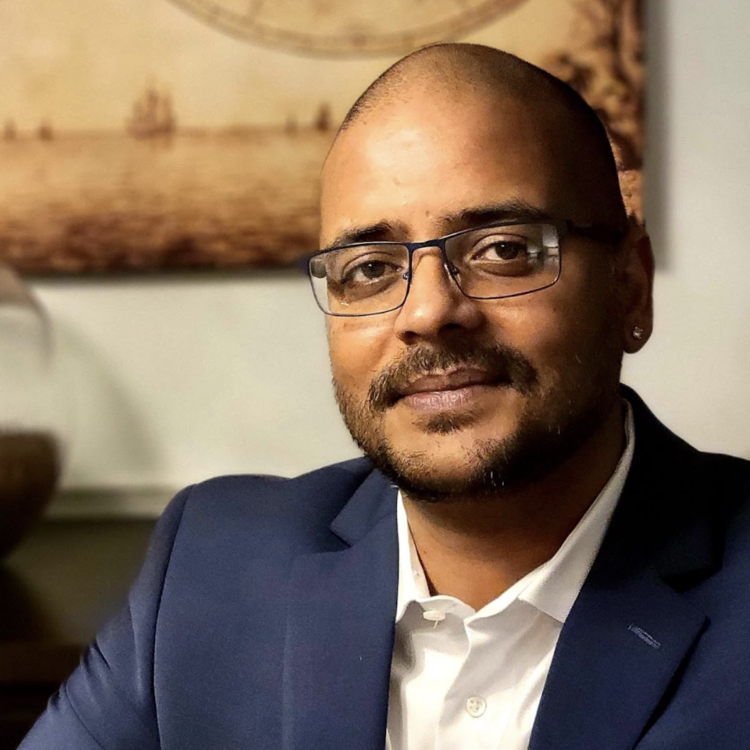
Kirti Vardhan Das is a Professional Specialist in the Department of Civil and Environmental Engineering at Princeton University and is also affiliated with the M.S. Chadha Center for Global India. His work focuses on the intersection of urban infrastructure systems, environmental sustainability, public health, and social equity. He collaborates with researchers, city and metropolitan governments, global organizations, and non-profit partners to advance data-informed approaches to sustainable and equitable urban development.
Das’s research examines how the built environment, infrastructure provisioning systems, and environmental conditions shape residents’ subjective well-being (SWB) across diverse urban contexts in the United States and India. His current projects include developing data-driven frameworks for measuring and modeling infrastructure determinants of well-being, exploring the equity implications of infrastructure provision and policy, and collaborating with policymakers to design systems that track well-being and sustainability outcomes over time.
He has extensive experience leading large-scale community-based surveys (including over 13,000 household surveys) and managing multi-institutional, cross-sector projects with academic, government, and international partners such as the United Nations Environment Programme (UNEP). His recent work advances methods to quantify how neighborhood infrastructure, environmental quality, and access to urban provisioning systems—such as mobility, housing, food, and green infrastructure—influence both evaluative and emotional well-being.
He holds a Ph.D. in Public Affairs and a Master of Urban and Regional Planning from the University of Minnesota, and a Bachelor of Architecture from the Kavikulguru Institute of Technology and Science in India. His work has appeared in journals such as Landscape and Urban Planning, Environmental Research: Infrastructure and Sustainability, and Public Health Reviews, reflecting a sustained engagement with questions of well-being, infrastructure, and equity in cities.